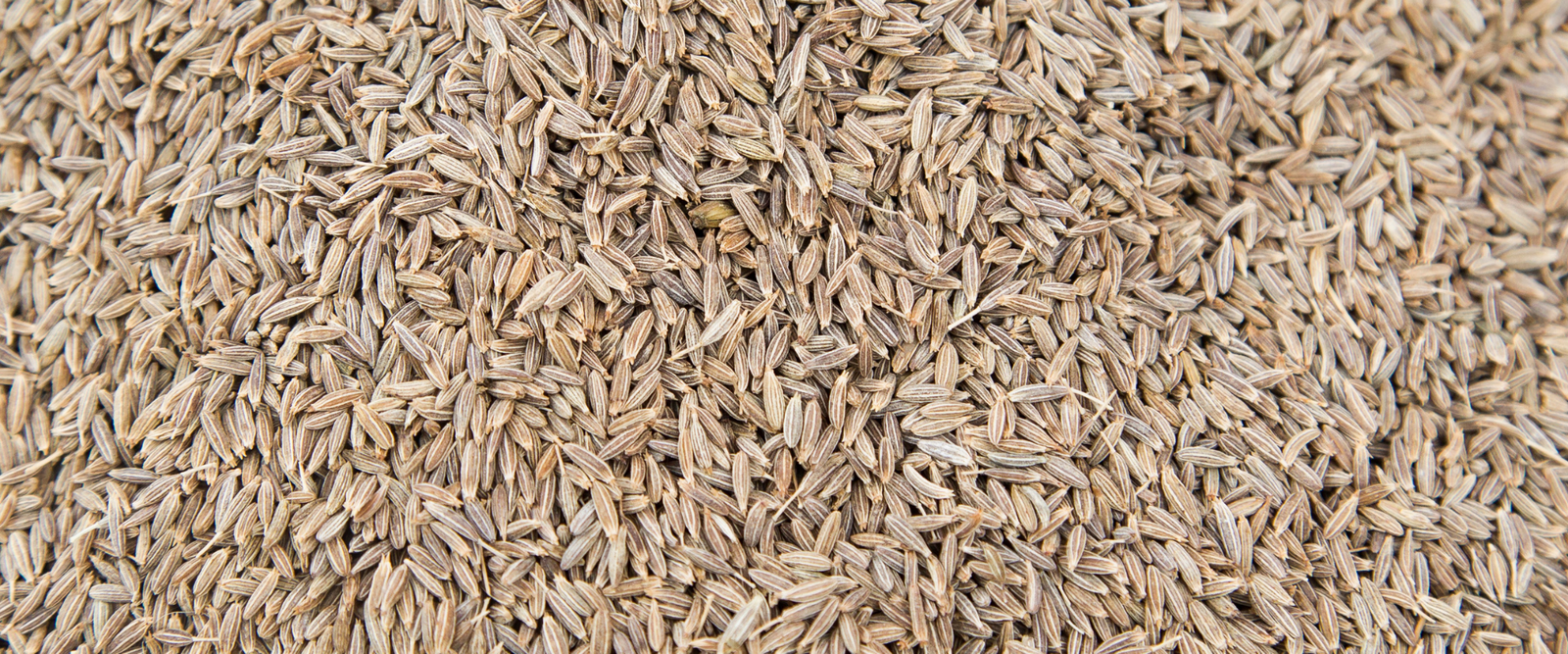
Cumin seed, or Jeera, is more than just a spice; it is the aromatic backbone of the global culinary world. From the soul-warming curries of India to the vibrant salsas of Mexico and the complex spice blends of the Middle East, Cumin's earthy, warm aroma is universal. But when it comes to the export market, not all Cumin is equal. Indian Cumin, specifically the premium quality sourced from Gujarat, is regarded as the gold standard.
The Importance of Essential Oil Content
For industrial food processors and high-end spice brands, the most critical factor is the essential oil content. Indian Cumin typically contains 2.5% to 4.5% essential oil—the highest in the world. This oil is what provides the signature flavor and medicinal properties. At Shalibhadra Export Ventures, our lab-tested batches ensure that the 'aroma profile' remains intact from the farm to the destination warehouse, ensuring your spice blends remain potent.
Understanding Global Purity Standards
Global trade in Cumin is categorized by purity levels. As an exporter, we offer various qualities tailored to specific regions:
- Singapore Quality (99% Purity): The industry standard for bulk grinding and blending.
- Europe Quality (99.5% Purity): Higher standards with stricter focus on volatile oil and moisture.
- Gulf Quality: Extremely clean, bold seeds preferred for direct retail in the Middle East.
- IPM (Integrated Pest Management) Cumin: Adhering to the most stringent residue limits for high-end Western markets.
"The secret to a great spice is not just its origin, but its purity. If there are stalks or dust, the aroma is diluted. We sell pure sensory experiences, not just seeds."
The Multi-Stage Cleaning Process
Raw cumin from the farm contains 'extra matter' like dust, stalks, and other seeds. To achieve 99.5% purity, we employ a sophisticated cleaning system in Rajkot:
Our process involves Magnetic Separators to remove any metallic impurities, De-Stoners for physical purity, and finally, the high-precision Sortex Color Sorting. Color sorting is vital because it removes shriveled or black seeds that can turn a ground spice bitter. The result is a uniformly bold, greenish-brown seed that looks as premium as it tastes.
Market Insights: The Unjha and Rajkot Influence
India produces over 70% of the world's Cumin. Being located in Rajkot, we are at the epicenter of the Cumin trade. We monitor the 'Unjha Mandi' (the world's largest spice market) daily to provide our buyers with the best price-to-quality ratio. This presence on the ground allows us to source 'new crop' Cumin during the February-April harvest, which always contains the highest volatile oils.
Packaging and Export Logistics
Aroma is volatile; it can be lost if not packed correctly. We suggest multi-layer paper bags or high-grade Jute bags with inner liners to preserve freshness. For long shipping routes (e.g., to South America or Australia), we ensure the containers are well-ventilated to prevent moisture buildup. Our documentation team is experienced in handling the complex HS Code requirements (090931) and ensuring all health certificates are up to date.
Therapeutic and Industrial Uses
Beyond the kitchen, Cumin export is driven by the pharmaceutical and cosmetic industries. Cumin oil is used in perfumes and as an antioxidant in health supplements. Our ability to provide Cumin with high thymol and cuminaldehyde content makes us a preferred partner for industrial extractors globally.
Cumin Export Fact Sheet:
| Crops | Indian Cumin Seeds (Jeera) |
|---|---|
| Purity Qualities | 99% (Singapore), 99.5% (Europe), Machine Cleaned |
| Extraneous Matter | 0.50% to 1.00% Max (as per quality) |
| Moisture | 9% Max |
| Loadability | 13-14 Metric Tons (20ft FCL) | 26-28 Metric Tons (40ft FCL) |