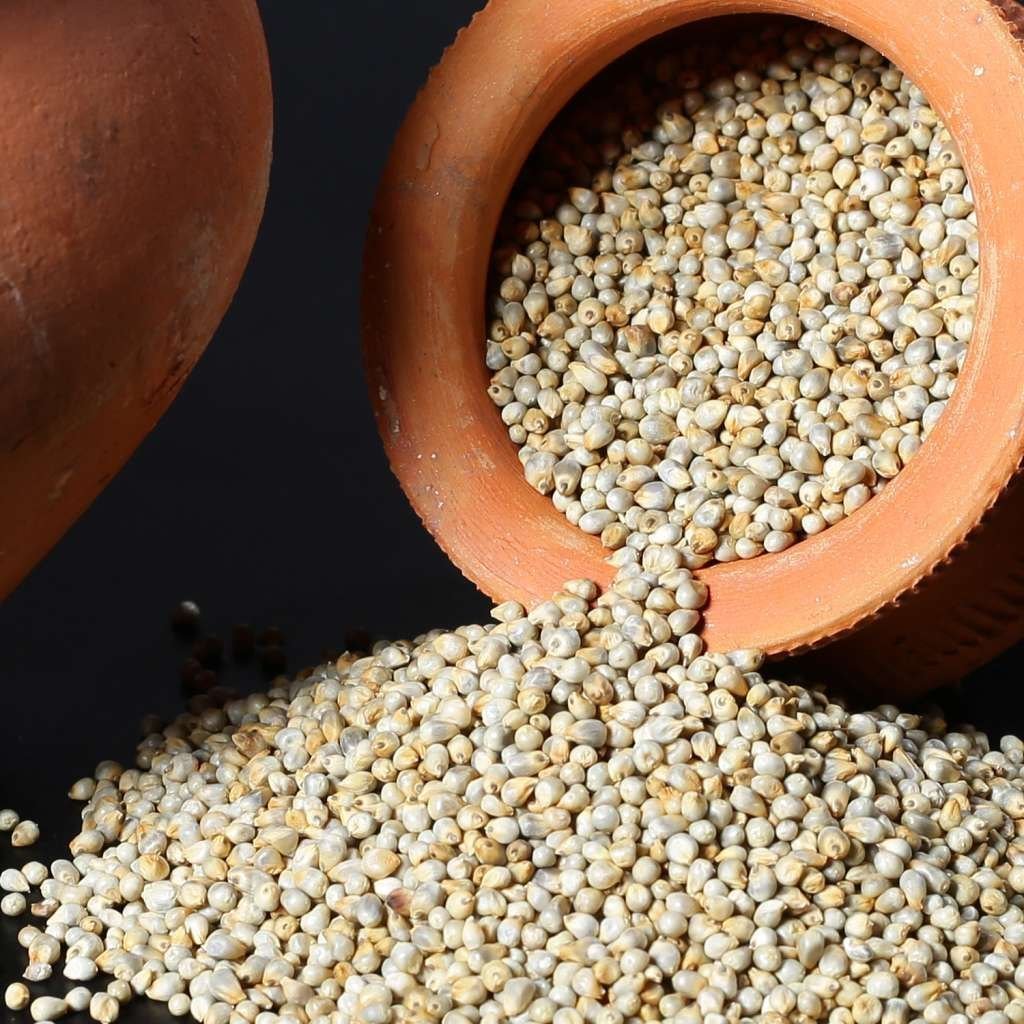
Importers searching for a dependable Pearl Millet exporter from India usually share one worry: will the grain in the container match the sample on the desk? This guide explains what to check, what to ask for and how a professional supplier handles every stage, from farm sourcing in Gujarat to the final bill of lading.
Why Global Buyers Source Bajra from India
India is one of the largest producers of pearl millet in the world, with the crop grown across Gujarat, Rajasthan, Haryana, Maharashtra and Uttar Pradesh. Bajra performs well in dry, low-rainfall soils where rice and wheat struggle, which gives Indian suppliers a wide farm base and a consistent harvest. For importers in the Middle East, Africa, Europe and South-East Asia, this means steady availability for human food, flour milling, bird feed and animal nutrition.
Why Demand for Pearl Millet Keeps Rising
Pearl millet is naturally gluten-free, rich in fibre and a good source of iron, magnesium and plant protein, which is why health-focused brands now feature it in flour blends, breakfast cereals, snacks and ready-to-cook mixes. Alongside food use, poultry and bird-feed manufacturers value the grain for its energy content and palatability. This mix of food and feed demand supports stable year-round buying and gives importers more than one resale channel for the same product.
Know the Grain: Varieties, Size and Colour
Pearl millet is not one uniform product. Hybrid varieties differ in grain size, colour and bulk density, and the growing region influences each of these. Food-grade buyers generally prefer bold, round, evenly sized grains with a natural grey to greenish-grey luster and a clean, nutty smell. Feed and bird-seed buyers can often work with wider grades at a lower price. Before requesting a quotation, tell your supplier whether the grain is going to a flour mill, a retail packing line or a feed plant. That single detail changes the grade recommended, the cleaning level required and the final price.
Quality Parameters Every Importer Should Specify
A written specification protects both sides of the deal. Ask the supplier to confirm the following points in the offer, and to back them with a laboratory or inspection report wherever possible:
- Moisture: kept at or below 12 percent so the grain stays stable through weeks at sea.
- Purity: percentage of foreign matter, broken grains and shriveled grains, agreed in writing.
- Infestation: no live insects, with fumigation carried out before loading when required.
- Residues and contaminants: pesticide and mycotoxin limits that match the rules of the destination country.
- Uniformity: consistent size and colour across the entire lot, not just the sample.
At Shalibhadra Export Ventures, bajra passes through multi-stage cleaning and sorting before it is bagged, and a pre-shipment sample is shared with the buyer for approval. This simple step removes most disputes before they begin.
Packing, Container Loading and Port Selection
Pearl millet is commonly shipped in 50 kg polypropylene or jute bags, or in 1,000 kg jumbo bags for buyers who unload with machinery. A 20 ft container usually carries around 24 to 25 metric tons, depending on bag type and loading method, while a 40 ft container carries more for larger orders. From Rajkot, cargo moves by road to Mundra or Kandla, two of Gujarat's busiest ports, which keeps inland transit short and reduces the time grain spends in heat before it reaches the ship. Buyers can also request private labelling, custom bag sizes and marking in their own language.
Documents That Should Come With Every Shipment
Smooth customs clearance depends on clean paperwork. A professional exporter prepares the commercial invoice, packing list, bill of lading, certificate of origin and phytosanitary certificate, and adds fumigation and quality certificates when the importing country requires them. Always confirm early which documents your port authority and food regulator expect, because a missing certificate can hold a container for days and add demurrage costs. Sharing the import rules of your country with the supplier at the enquiry stage helps the documentation team prepare correctly from the first draft.
Storage, Shelf Life and Handling at Destination
Properly dried and cleaned bajra stores well when kept in a cool, dry and ventilated warehouse away from direct sunlight and moisture. Stack bags on pallets, keep them off the floor and away from walls, and inspect stock regularly for signs of insects or condensation. Because millet has a higher natural oil content than wheat, flour made from it has a shorter shelf life than whole grain, so many buyers import whole grain and mill it close to the time of sale. Following these simple habits protects quality long after the container has been unloaded.
Five Mistakes to Avoid When Buying Bajra
- Choosing only on the lowest price without comparing specifications.
- Skipping the pre-shipment sample and relying on a photograph.
- Not stating the end use, which leads to the wrong grade being offered.
- Ignoring harvest timing and paying a premium for stock bought off-season.
- Leaving packing, labelling and shipping terms vague until the last moment.
Choosing the Right Pearl Millet Exporter from India
Price matters, but reliability matters more. Look for a supplier who answers technical questions quickly, shares samples without pressure, quotes on clear terms such as FOB or CIF, and can show how orders are tracked until delivery. A serious Pearl Millet exporter from India will also be open about certifications, packing capacity and the source regions behind each lot. Ask for references, request a trial container if you are a new buyer, and check that the supplier is comfortable with repeat orders as well as one-off shipments.
Work with Shalibhadra Export Ventures
From our base in Rajkot, Gujarat, we supply export-quality bajra with controlled moisture, careful cleaning, flexible packing and complete documentation. If you are comparing a Pearl Millet exporter from India for your next order, send us your required quantity, destination port and packing preference through the inquiry form, and our export team will reply with a specification and a competitive offer. Whether you need a single trial container or a regular monthly programme, we are ready to build a long-term partnership.
Quick Export Fact Sheet:
| HS Code | 1008.29 (Millet, other than seed for sowing) |
|---|---|
| Top Markets | UAE, Saudi Arabia, Oman, Singapore, Germany, USA |
| Loadability | Approx. 24-25 Metric Tons (per 20ft FCL) |
| Bagging | 50kg PP/Jute or 1000kg Jumbo Bags |